Quinn Brooks · 10 September 2026
Navigating the Intricacies of Domain Handoffs and Their Influence on Long-Term Crawl Efficiency Patterns
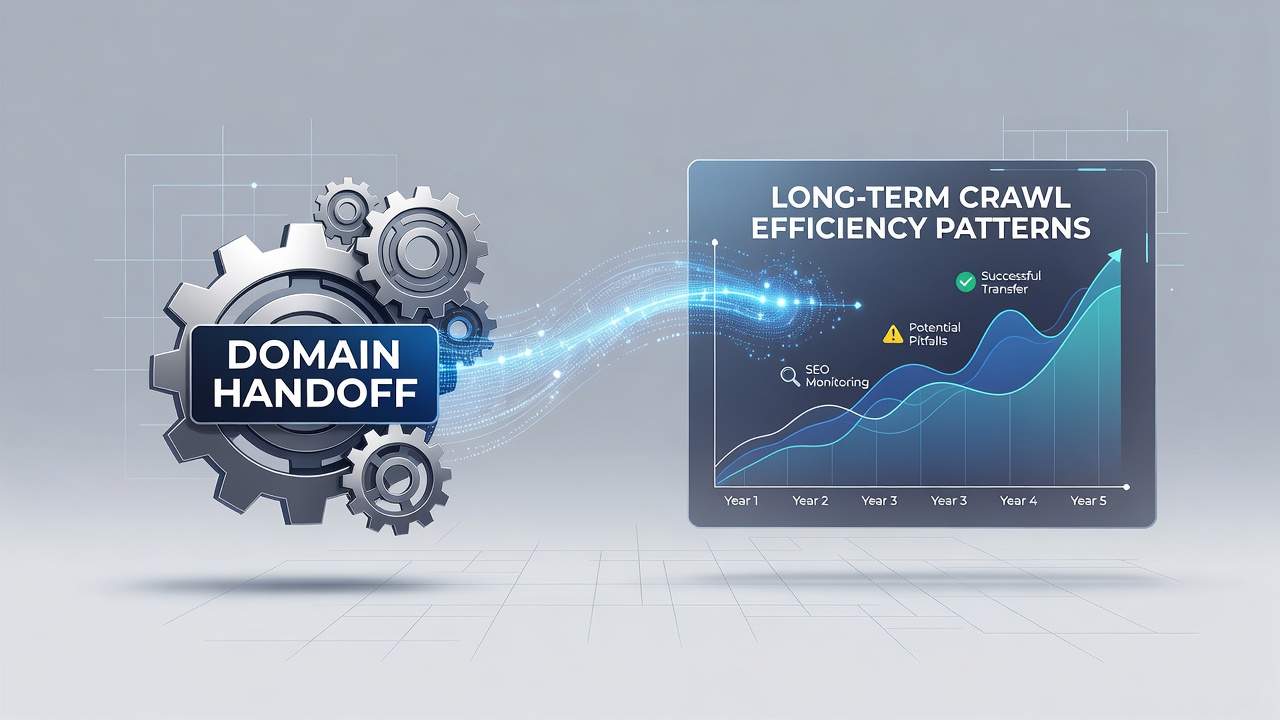
Domain handoffs occur when ownership transfers between parties or when a domain moves from one registrar to another, and these shifts trigger a series of record updates that ripple through DNS infrastructure. Researchers at various institutions track how such changes alter the frequency and depth of automated visits by search engine bots over months or years. Data from multiple monitoring projects indicates that propagation delays during handoffs can extend from several hours to multiple days, depending on TTL settings and registrar response times.
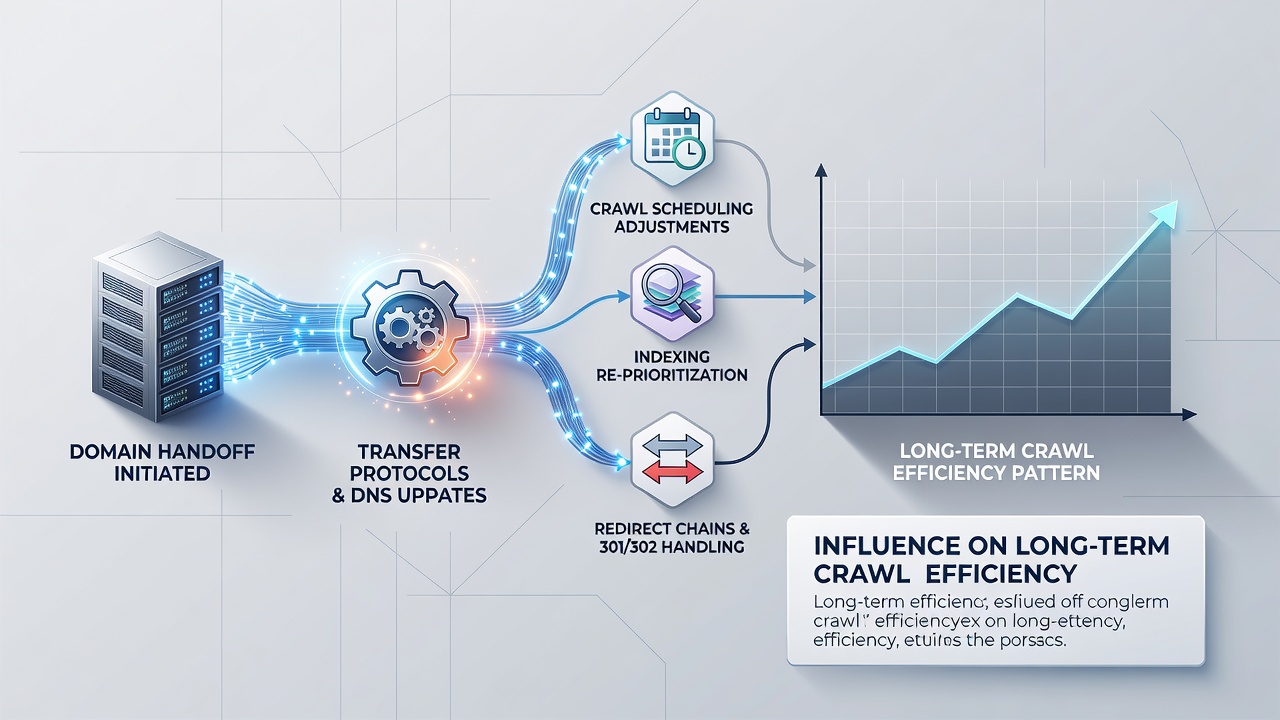
Ownership transfers require authentication steps at the current registrar before the new holder gains control, while registrar migrations follow standardized protocols that include authorization codes and confirmation periods. According to records maintained by ICANN, these steps ensure continuity yet introduce windows where nameserver references may lag behind actual ownership data. Crawlers rely on consistent DNS resolution to schedule visits, so any mismatch between cached information and live records leads to skipped or delayed fetches during the transition phase.
Technical Mechanics Behind Registrar and Ownership Shifts
When a domain undergoes a registrar change, the losing registrar releases the domain after a pending period, and the gaining registrar updates the authoritative nameservers in the registry database. This sequence affects how global DNS resolvers refresh their caches, and observers note that shorter TTL values accelerate convergence while longer ones prolong uncertainty for automated systems. Studies from academic networks show that crawl logs collected across thousands of domains reveal temporary drops in visit rates immediately following handoff completion, followed by gradual recovery as bots re-establish patterns.
Ownership handoffs without registrar movement still require WHOIS record modifications and contact verifications, which some registries process in batches. Those who manage large portfolios report that bulk updates sometimes queue behind routine operations, creating staggered propagation across different TLDs. Evidence collected from web archives demonstrates that sites experiencing such updates often see crawlers prioritize root pages first before expanding to deeper directories once stability returns.
Measured Effects on Crawl Budget and Indexing Continuity
Long-term crawl efficiency depends on consistent signals that bots use to allocate resources, including response times, content freshness, and historical visit success. Domain handoffs can reset certain signals when nameserver changes coincide with temporary unavailability, leading to reduced crawl frequency until new patterns stabilize. Figures from distributed measurement platforms indicate that domains completing handoffs in under 48 hours typically regain prior crawl rates within two weeks, whereas extended disruptions correlate with slower recovery spanning four to six weeks.
Researchers tracking indexation metrics across multiple jurisdictions have documented cases where pages dropped from search results during handoff windows only to reappear after DNS propagation completed and fresh content was served. One analysis covering North American and European domains found that sites with pre-configured redirects and verified sitemap submissions experienced fewer indexing gaps than those relying solely on default registrar settings. The process of re-verifying site ownership in webmaster tools further influences how quickly bots resume comprehensive scanning of updated structures.
Patterns Observed in Post-Handoff Recovery Phases
Recovery trajectories vary according to the scale of the domain portfolio and the technical preparations made prior to transfer. Large enterprises that maintain parallel hosting environments during handoffs show smoother transitions in crawl logs, while smaller sites sometimes encounter extended periods of reduced bot activity. Data compiled by research groups in Australia and Canada reveals that domains undergoing handoffs in September 2026 will face additional scrutiny from updated registry validation routines scheduled for rollout that month, potentially extending average propagation windows by 12 to 24 hours.
Those monitoring long-term trends note that repeated handoffs within short intervals compound the effect on crawl efficiency, as each cycle requires bots to relearn access patterns. Metrics gathered from university-led web measurement projects illustrate that consistent use of canonical tags and structured data helps preserve indexing signals across transitions, allowing crawlers to focus on content rather than re-establishing basic reachability.
Operational Practices That Support Sustained Crawl Performance
Preparation steps include lowering TTL values several days before the scheduled handoff and documenting all current DNS entries for quick restoration if discrepancies arise. Operators who coordinate with both outgoing and incoming registrars reduce the likelihood of simultaneous record conflicts that otherwise delay full propagation. Reports from European domain registries emphasize the value of pre-submitted change notifications to search engine consoles, which can prompt earlier verification crawls once the domain stabilizes.
Post-handoff monitoring involves reviewing server logs for bot activity and confirming that sitemaps reflect the new hosting configuration. Organizations that implement automated alerts for DNS resolution changes maintain visibility into when crawlers resume normal visit intervals. Evidence from longitudinal studies suggests that domains employing these layered checks exhibit crawl efficiency metrics that align closely with pre-handoff baselines within three weeks of completion.
Conclusion
Domain handoffs introduce measurable interruptions to the signals that govern long-term crawl efficiency, yet structured preparation and post-transfer verification allow most sites to regain prior patterns. Records from international registries and academic monitoring initiatives continue to document how propagation timing, record consistency, and proactive notifications shape recovery speed across diverse TLD environments. As procedural updates approach in September 2026, attention to these mechanics remains central to maintaining uninterrupted indexing trajectories.