Erik Berger · 24 September 2026
Shifts in Bot Activity Patterns During Platform Provider Transitions for Niche Retail Sites
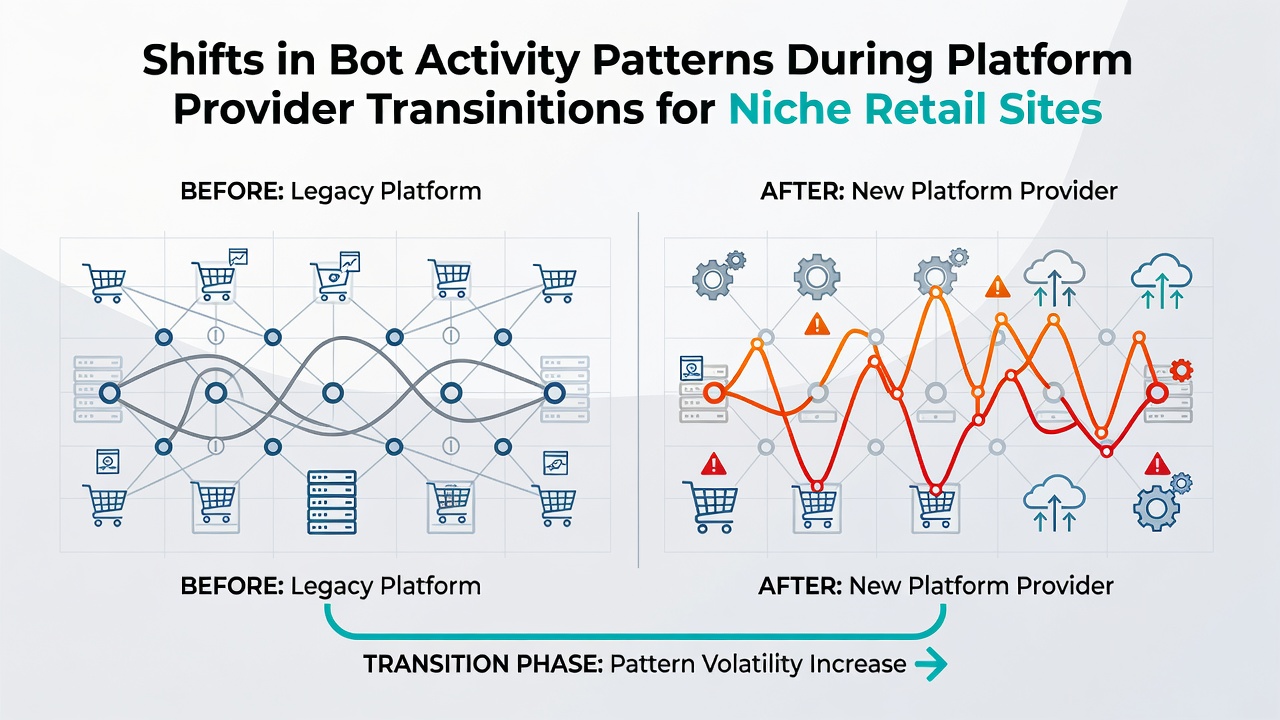
Platform provider transitions for niche retail sites often trigger measurable changes in how automated agents interact with website infrastructure, and data from multiple monitoring projects shows these shifts occur within days of migration completion. Researchers tracking crawler behavior across hundreds of small e-commerce domains note that initial drops in request volume frequently give way to adjusted patterns once new server configurations stabilize.
Platform Changes and Their Reach
Niche retailers regularly move between hosted solutions, self-managed systems, and hybrid setups to match inventory scale or payment requirements, and each switch alters URL structures, response headers, and resource loading sequences. Observers tracking these moves find that search engine crawlers and other automated visitors respond by recalibrating visit frequency and depth, sometimes within the first seventy-two hours after DNS propagation finishes.
Documented Patterns in Crawler Behavior
Studies conducted through 2025 and into September 2026 reveal consistent sequences: a brief lull in overall bot requests followed by increased probing of new sitemap locations and image directories. Figures from server log analyses indicate that certain user-agents increase their crawl rate by twenty to forty percent once canonical tags and structured data settle into place, while others reduce visits until mobile-first rendering passes validation checks.
Technical Elements That Influence Adjustments
Changes in content delivery networks, SSL certificate chains, and JavaScript frameworks all contribute to how quickly bots reindex pages. Those who monitor log files at the server level report that robots.txt updates and new robots meta directives produce the most immediate effects, with some agents pausing entirely until directives are confirmed through repeated HEAD requests.
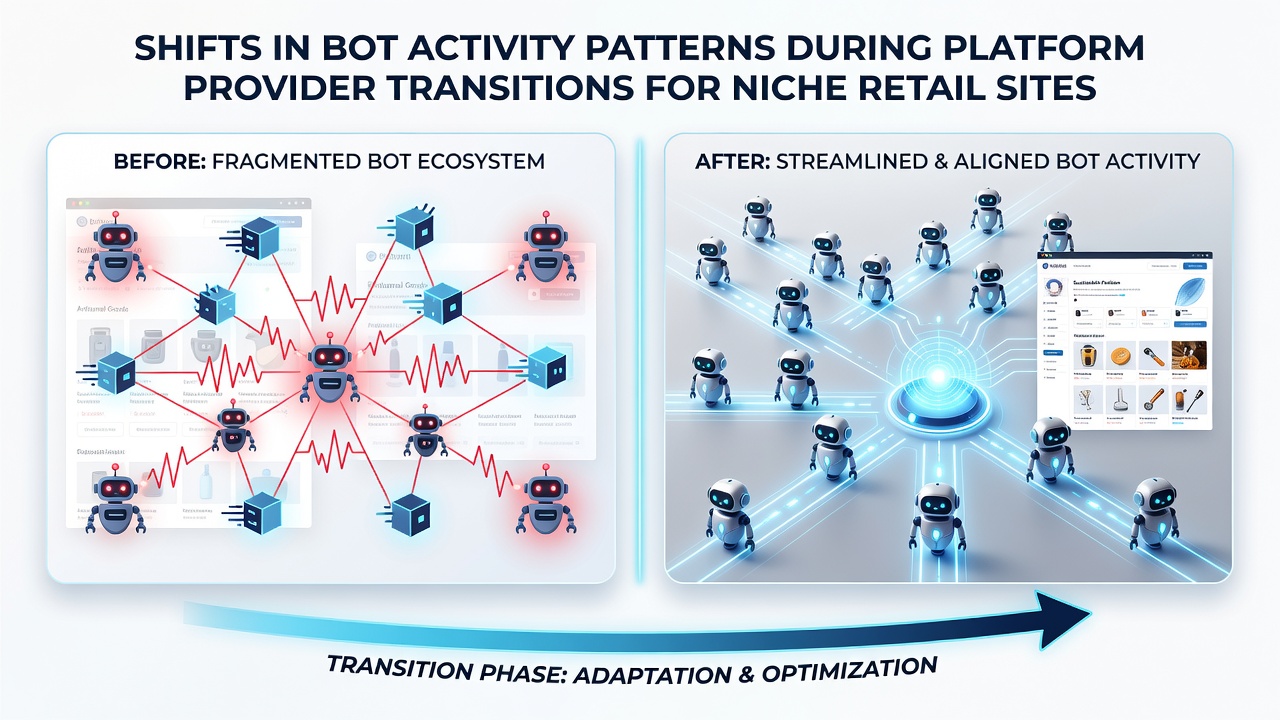
One documented case involved a specialty outdoor gear retailer that transitioned from a legacy hosted cart to a modern headless architecture in early 2026. Log data collected over six weeks showed an initial forty-five percent reduction in total automated requests, followed by a steady climb as the new GraphQL endpoints became discoverable through updated internal linking. Similar sequences appear in records from apparel and specialty food merchants that completed comparable moves during the same period.
Measurement Approaches Used by Analysts
Teams responsible for post-migration monitoring combine server logs with third-party crawl simulators to quantify differences in request headers, user-agent distribution, and session depth. These methods allow comparison of pre-transition and post-transition activity without relying on any single data source. Reports compiled by academic groups at institutions studying web measurement confirm that combining these datasets produces clearer pictures of how agents adapt to altered site architecture.
Additional context comes from industry reports that aggregate anonymized telemetry across retail verticals. One such overview, published by the European Commission digital strategy unit, highlights how smaller merchants experience more pronounced short-term fluctuations than larger platforms because of lower baseline crawl budgets. Parallel findings from North American research initiatives echo the same timing patterns.
Longer-Term Stabilization Trends
After the initial adjustment window, activity levels tend to return to ranges observed before the transition, though the distribution of requests across page types often shifts permanently. Product detail pages and category archives frequently receive higher shares of visits once new internal navigation improves discoverability. Data aggregated through September 2026 shows that sites maintaining consistent XML sitemap updates experience faster stabilization compared with those that delay sitemap regeneration.
Conclusion
Platform provider transitions for niche retail sites produce predictable yet temporary alterations in bot activity that resolve as technical elements align. Continued monitoring of request logs and structured data implementation helps document these sequences across different retail categories and infrastructure choices.